


 |
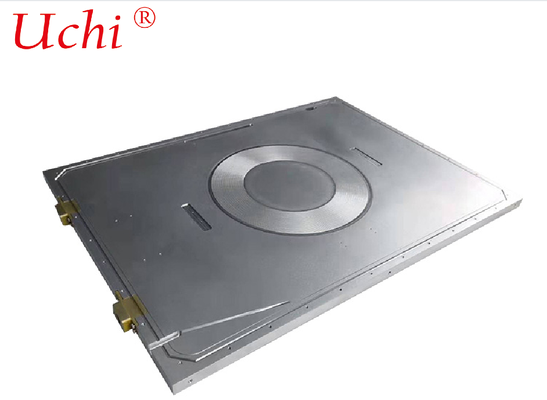
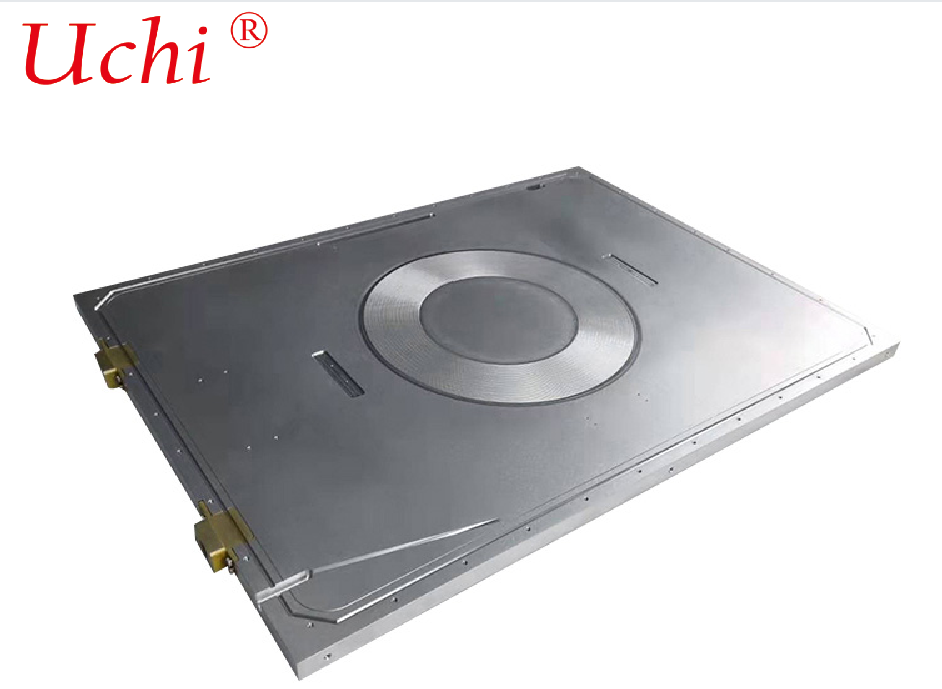
Thiết bị Laser Nhôm Tấm lạnh Tấm lạnh Tấm lạnh sợi quang
Thông tin chi tiết sản phẩm:
| Nguồn gốc: | Đông Hoản, Quảng Đông, Trung Quốc |
| Hàng hiệu: | UCHI |
| Chứng nhận: | UL.VDE,SGS,REACH,CQC,CSA.ISO.ROHS,CUL |
Thanh toán:
| Số lượng đặt hàng tối thiểu: | 1000 CÁI |
|---|---|
| Giá bán: | có thể đàm phán |
| chi tiết đóng gói: | số lượng lớn |
| Thời gian giao hàng: | 5-7 ngày |
| Điều khoản thanh toán: | T / T, Paypal, Western Union, |
| Khả năng cung cấp: | 5000.000.000 chiếc mỗi tháng |
|
Thông tin chi tiết |
|||
| Quá trình: | vây vẩy hàn | Bề mặt hoàn thiện: | Mạ niken hoặc anodized |
|---|---|---|---|
| kiểu lắp đặt: | Gắn vít | Xếp hạng IP: | IP65 |
| tùy chọn gắn kết: | Lỗ vít hoặc miếng dính | Chiều rộng: | Theo nhu cầu của khách hàng |
| Lớp bảo vệ: | IP54 | Quá trình bổ sung: | gia công cnc |
| Sự đối đãi: | thụ độngDẫn nhiệt | ||
| Làm nổi bật: | thiết bị laser nhôm tấm lạnh,tấm làm mát sợi quang,tấm làm mát chất lỏng có bảo hành |
||
Mô tả sản phẩm
Các thông số sản phẩm của OEM hồ sơ nhôm tùy chỉnh thiết bị laser tấm lạnh chất lượng cao tấm lạnh sợi quang tấm lạnh
OEM
Vật liệu: AL 6061
Kích thước: 286*275*35mm
Công nghệ: Kỹ thuật sợi quang+cơ chế CNC
Tính năng: Khả năng làm mát tốt và Không bị rò rỉ mặc định
Điều trị bề mặt: tinh dầu, làm sạch và thụ động
Năng lượng dẫn nhiệt: 600W
Bảng làm mát nhôm cho thiết bị laser (bảng làm mát, tấm làm mát laser sợi)
Bảng làm mát nhôm, còn được gọi là tấm làm mát hoặc tấm làm mát bằng laser sợi, là các thành phần tiêu hao nhiệt cốt lõi cho laser công suất cao.Chúng lưu thông nước làm mát thông qua các kênh dòng chảy nội bộ để nhanh chóng loại bỏ nhiệt được tạo ra bởi các nguồn nhiệt như các nguồn bơm và sợi tăng, đảm bảo đầu ra laser ổn định và bước sóng chính xác.
1. Định nghĩa cốt lõi và kịch bản ứng dụng
Đĩa làm mát bằng laser: Một thuật ngữ chung cho các tấm làm mát chất lỏng nhôm được áp dụng cho các thiết bị laser khác nhau (sợi, trạng thái rắn, bán dẫn), bao gồm các mức năng lượng từ hàng trăm watt đến hàng chục kilowatt.
Bảng làm mát bằng laser sợi: Được thiết kế đặc biệt cho laser sợi. Nó nhận ra cân bằng nhiệt độ và phân tán nhiệt cho các nguồn nhiệt chính xác bao gồm các mảng nguồn bơm, kết hợp sợi và đầu laser,có khả năng kháng nhiệt thấp, đồng nhất nhiệt độ tuyệt vời, chống rung, cách nhiệt và chống ăn mòn.
Các ứng dụng điển hình: Máy laser sợi cắt / hàn công nghiệp (1 6 kW), laser siêu nhanh, lidar, thiết bị laser y tế.
2. Chọn vật liệu (chủ yếu là hợp kim nhôm)
- 6061‐T6: Các loại được sử dụng rộng rãi nhất. dẫn nhiệt: khoảng 180 W / m · K. Sức mạnh cao, dễ dàng để máy, có sẵn với anodizing / xử lý anodizing cứng và chi phí hiệu quả.
- 3003: Độ dẫn nhiệt: khoảng 190 W/m·K. Chống ăn mòn tốt và có khả năng hàn, thường được sử dụng cho các tấm làm mát hàn chân không.
- 7075: hợp kim không gian có độ bền cao. dẫn nhiệt: khoảng 130 W / m · K. Được áp dụng cho các thiết bị nhỏ gọn có công suất cao hoạt động dưới rung động mạnh.
- Hợp chất đồng nhôm: Chất nền nhôm được nhúng với các kênh dòng chảy đồng. Kết hợp trọng lượng nhẹ và độ dẫn nhiệt cao (401 W/m·K), lý tưởng cho các thiết bị trên 2 kW.
3Các cấu trúc chính và quy trình sản xuất
3.1 Bàn làm mát gắn ống (thành tiếng nhất)
Quá trình: Sơn rãnh trên cơ sở nhôm → Lắp đặt ống đồng → Phương pháp hàn chân không / hàn laser → Điều trị bề mặt.
Tính năng: Niêm phong đáng tin cậy, áp suất làm việc 1015 bar, thiết kế kênh dòng chảy linh hoạt và bảo trì dễ dàng.
3.2 Bảng làm mát microchannel được hàn chân không
Quá trình: Lamination của nhiều tấm nhôm → hàn bấm / Phòng hòa tan chân không → Xây dựng tích hợp.
Đặc điểm: Các kênh lưu lượng dày đặc, diện tích trao đổi nhiệt lớn và sự đồng nhất nhiệt độ vượt trội (sự khác biệt nhiệt độ bề mặt ≤ 1 °C).
3.3 Bảng làm mát hàn xoắn ma sát (FSW)
Quá trình: Sơn rãnh trên cơ sở nhôm → Lắp đặt tấm nắp → FSW liền mạch.
Đặc điểm: Không yêu cầu chất lấp hàn, độ bền hàn ≥ 90% của vật liệu cơ bản, biến dạng thấp (≤ 0,1 mm/m) và khả năng chống áp suất cao.Hoàn hảo cho các kịch bản đòi hỏi độ chống rung cao và độ tin cậy lâu dài.
3.4 Bảng làm mát hàn bằng laser
Quá trình: hàn laser trên các tấm mỏng (0,8 ∼1,5 mm) để tạo ra các kênh dòng chảy kín.
Tính năng: Độ chính xác gia công cao và khu vực ảnh hưởng bởi nhiệt nhỏ.
4. Các chỉ số hiệu suất chính (giới thiệu về giao dịch mua sắm)
- Kháng nhiệt: ≤0,05°C·cm2/W (giá trị thấp hơn cho thấy hiệu suất tốt hơn)
- Độ đồng nhất nhiệt độ: Sự khác biệt nhiệt độ bề mặt ≤1 ≈ 2 °C (đảm bảo năng lượng laser ổn định)
- Chống áp lực: Áp suất hoạt động 6 ∼10 bar; Áp suất thử nghiệm 15 ∼20 bar
- Tỷ lệ rò rỉ: Khám phá rò rỉ heli ≤1 × 10⁻⁹ Pa·m3/s (tiêu chuẩn rò rỉ bằng không)
- Phẳng: ≤0,05 ∼0,1 mm/m (đảm bảo kết hợp chặt chẽ với các thành phần)
- Điều trị bề mặt: Anodizing cứng (trong lớp dày ≥ 50 μm, cách nhiệt & chống ăn mòn), anodizing dẫn điện, mạ niken không điện.
5Thiết kế thiết yếu (dedicated for Fiber Lasers)
- Layout kênh dòng chảy: Các kênh song song cho khu vực nguồn bơm (kháng thấp & nhiệt độ đồng đều); Các kênh serpentine cho khu vực sợi (thay đổi nhiệt mở rộng);Thiết kế chống dòng chảy (giảm sự khác biệt nhiệt độ giữa lối vào và lối ra).
- Phong cách sợi: Mượt mà và không bị rách với bán kính filet R≥0,5 mm để ngăn ngừa tổn thương lớp phủ sợi.
- Khép kín và điện áp kháng: Độ dày lớp anodized ≥ 50 μm; Khả năng chịu điện áp ≥ 2 kV (ngăn ngừa rò rỉ điện của các nguồn bơm).
- Tăng cường rung động: Các lỗ cắm được củng cố; Các kênh dòng chảy được sắp xếp ra khỏi các khu vực căng thẳng cao để thích nghi với rung động trong các khu công nghiệp.
6. So sánh hiệu suất: Aluminum vs Copper
Bảng làm mát bằng nhôm: Trọng lượng nhẹ (khoảng 1/3 đồng), chi phí thấp (khoảng 1/2 đồng), dễ dàng máy và cách điện anod tuyệt vời.Thích hợp cho thiết bị công suất trung bình và thấp, thiết kế nhẹ và các dự án nhạy cảm về chi phí.
Bảng làm mát bằng đồng: Độ dẫn nhiệt cực cao và khả năng phân tán nhiệt xuất sắc.Áp dụng cho thiết bị cực cao (≥ 6 kW), không gian nhỏ gọn và các kịch bản đòi hỏi sự phân tán nhiệt cực kỳ.
7. Thông số kỹ thuật chung (có thể tùy chỉnh)
- Kích thước: Chiều dài 200-800 mm, chiều rộng 100-400 mm, Độ dày 8-20 mm
- Kênh lưu lượng: Chiều rộng 3 8 mm, chiều cao 2 5 mm, độ cao 5 15 mm
- Bộ kết nối: Cụ thể G1/4, G3/8, M14 × 1.5 hoặc kết nối nhanh tùy chỉnh
8- Nguyên tắc lựa chọn
- ≤1,5 kW: hợp kim 6061 với ống đồng nhúng và hàn bằng laser, hiệu suất chi phí cao
- 1.5?? 3 kW: 6061/3003 loại microchannel được hàn chân không, đồng nhất nhiệt độ tốt và độ tin cậy cao
- ≥ 3 kW: Hợp chất đồng-đồ kim hoặc loại hàn chân không, kháng nhiệt thấp và kháng áp suất cao
- Rung động cao / Sử dụng ngoài trời: hàn xoay ma sát + anodizing cứng, sức mạnh cấu trúc cao và chống ăn mòn

Muốn biết thêm chi tiết về sản phẩm này